
7-20 Day Delivery
Shop Now with Up to 70% Off!
Shop Now with Up to 70% Off!
Some items are no longer available. Your cart has been updated.
This discount code cannot be used in conjunction with other promotional or discounted offer.
Your cart is empty.
Meta Description: Ever wonder why college teams choose their colors? Dive into the history, psychology, and powerful tradition behind NCAA football and basketball team colors. Find your shade of pride.
Focus Keywords: college team colors meaning, NCAA team color history, why are college team colors important, psychology of sports colors
For fans, putting on their team’s jersey is a ritual. It’s a statement of allegiance, a piece of identity worn on the sleeve—literally. But have you ever stopped to think about why your team’s colors are crimson and white, or maize and blue, or orange and purple? These iconic color schemes aren’t random. They are woven into the very fabric of a school’s identity, carrying layers of history, psychology, and cultural power. This deep dive explores why these colors resonate so deeply and how wearing them connects you to a legacy far beyond the game.
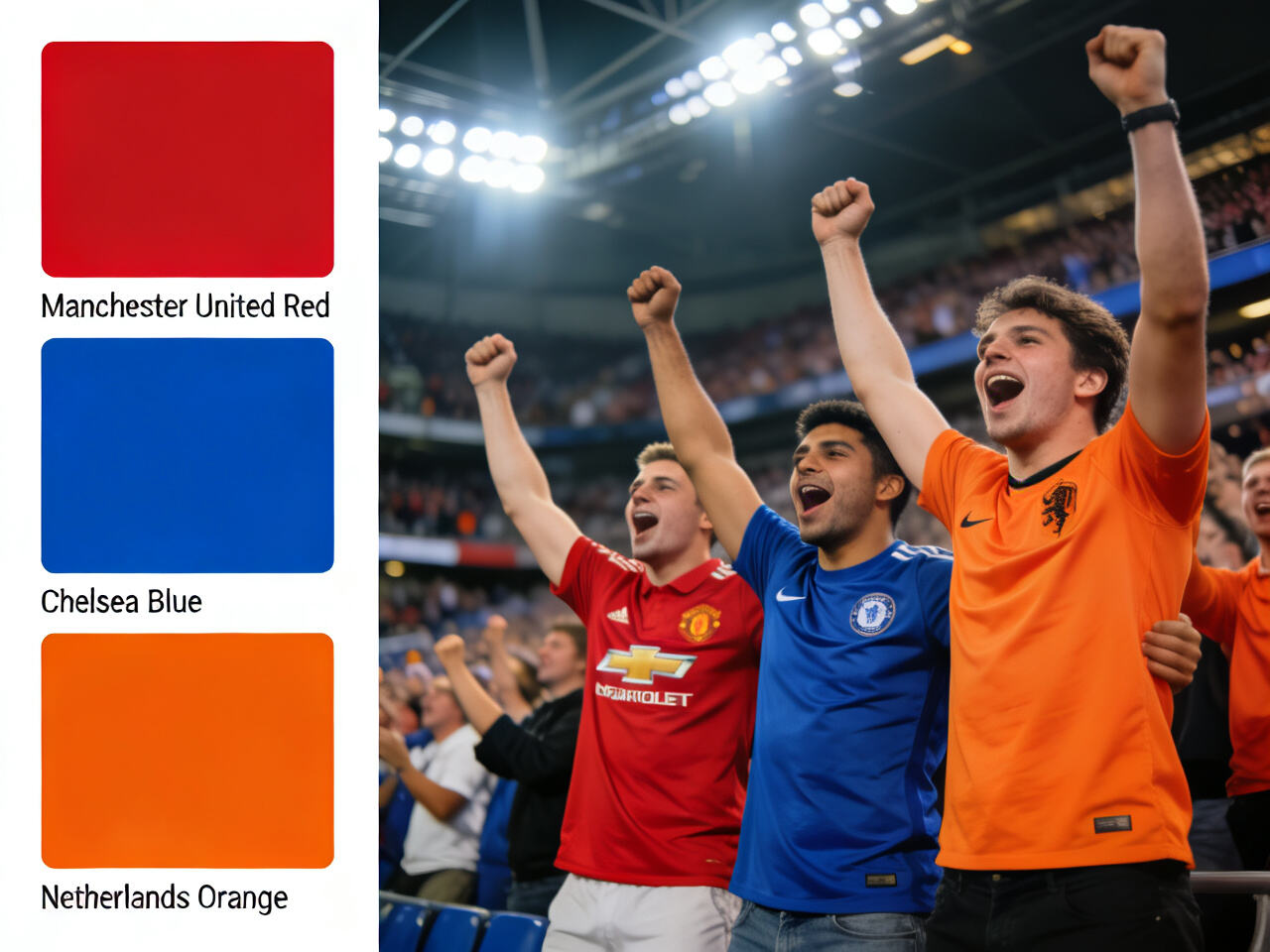
College colors are a tribal identifier. In a sea of 100,000 fans, they instantly signal who you belong to. This immediate visual recognition fosters a profound sense of community and shared purpose. Unlike professional sports, where players come and go, a university’s colors are constant. They represent the institution itself—its history, its values, and its geographic identity. Wearing them isn’t just about supporting this year’s quarterback; it’s about honoring every player who ever wore the uniform and every alumnus who cheers alongside you. It’s a permanent badge of belonging.
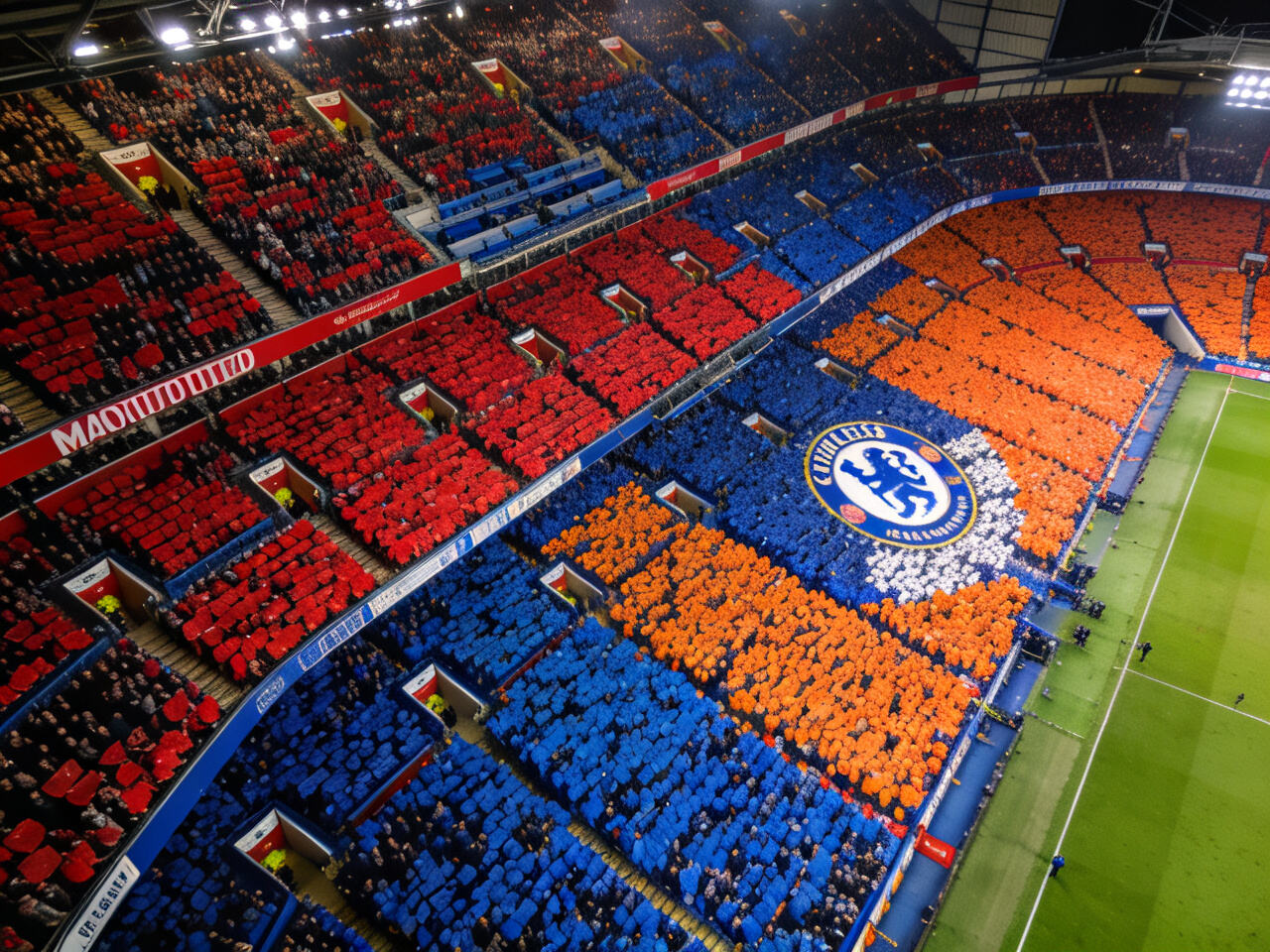
Many classic color combinations have surprisingly practical or historical origins, not marketing meetings.
Early Availability: In the late 1800s, schools often chose colors based on what dyes or ribbon were readily available or affordable.
Literary Inspiration: Some schools took inspiration from literature. For instance, the University of Michigan’s “maize and blue” is said to be inspired by a description of the sky in the poem “The Song of Hiawatha.”
Founding Influences: Military background or a founder’s previous affiliation often played a role. Cadet gray and navy blue were common for schools with military roots.
Color Rivalry: Sometimes, colors were chosen simply to stand out from a key rival, creating a lasting visual dichotomy.
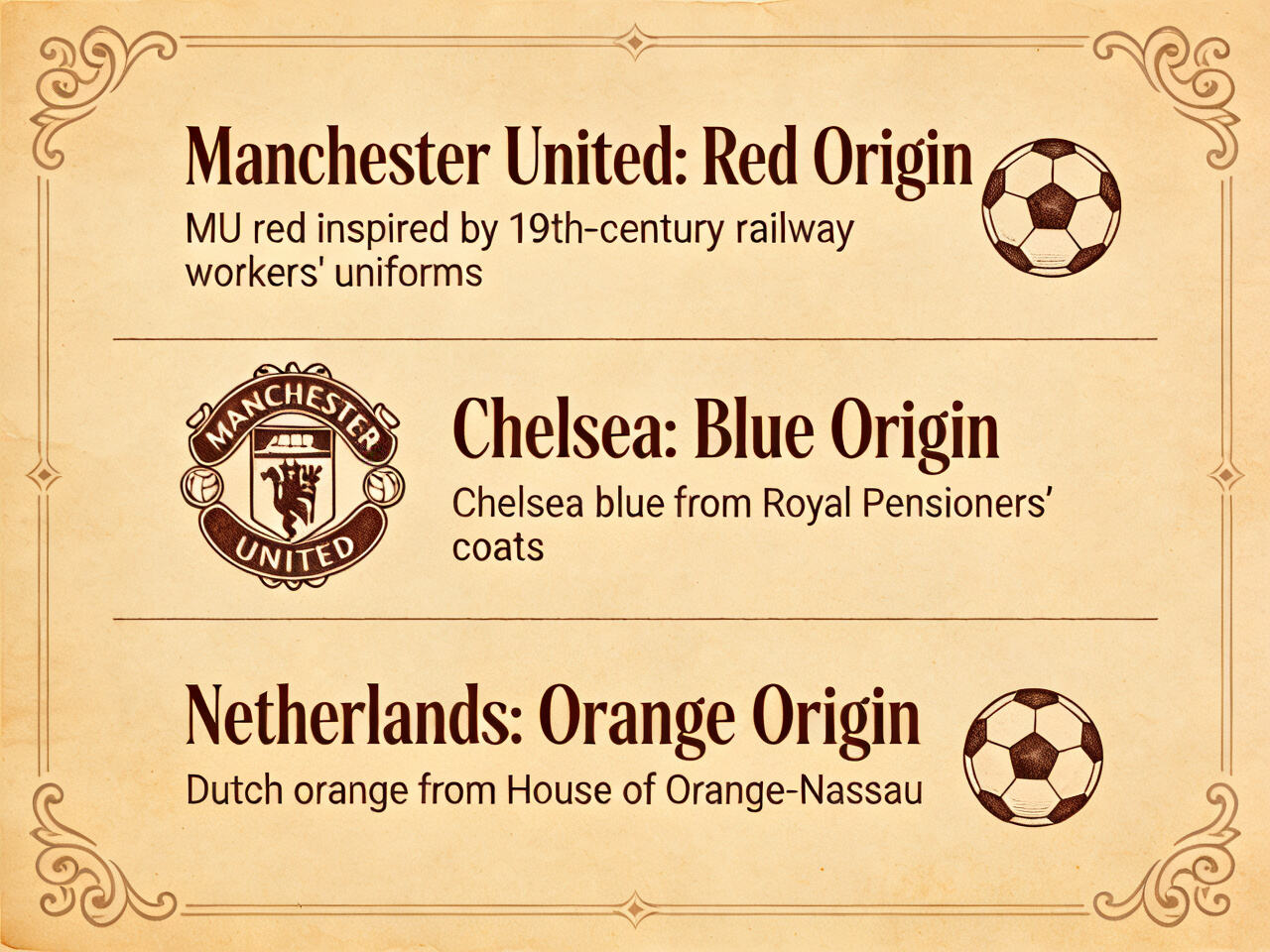
Does color impact performance or perception? While the science isn’t definitive, psychology suggests it plays a role.
Red (Alabama, Ohio State, Oklahoma): Often associated with aggression, dominance, and energy. It’s a color that commands attention and is statistically over-represented among championship teams.
Blue (Michigan, Kentucky, UNC): Evokes stability, trust, and calm. It can project a sense of disciplined, reliable strength.
Orange (Clemson, Texas, Florida): The color of enthusiasm, creativity, and fun. It projects confidence and a vibrant, energetic spirit.
Purple (LSU, Washington, Northwestern): Historically linked to royalty, ambition, and luxury. It suggests a unique, proud tradition.
Wearing these colors allows fans to psychologically embody these traits, feeling more aggressive, confident, or proud.
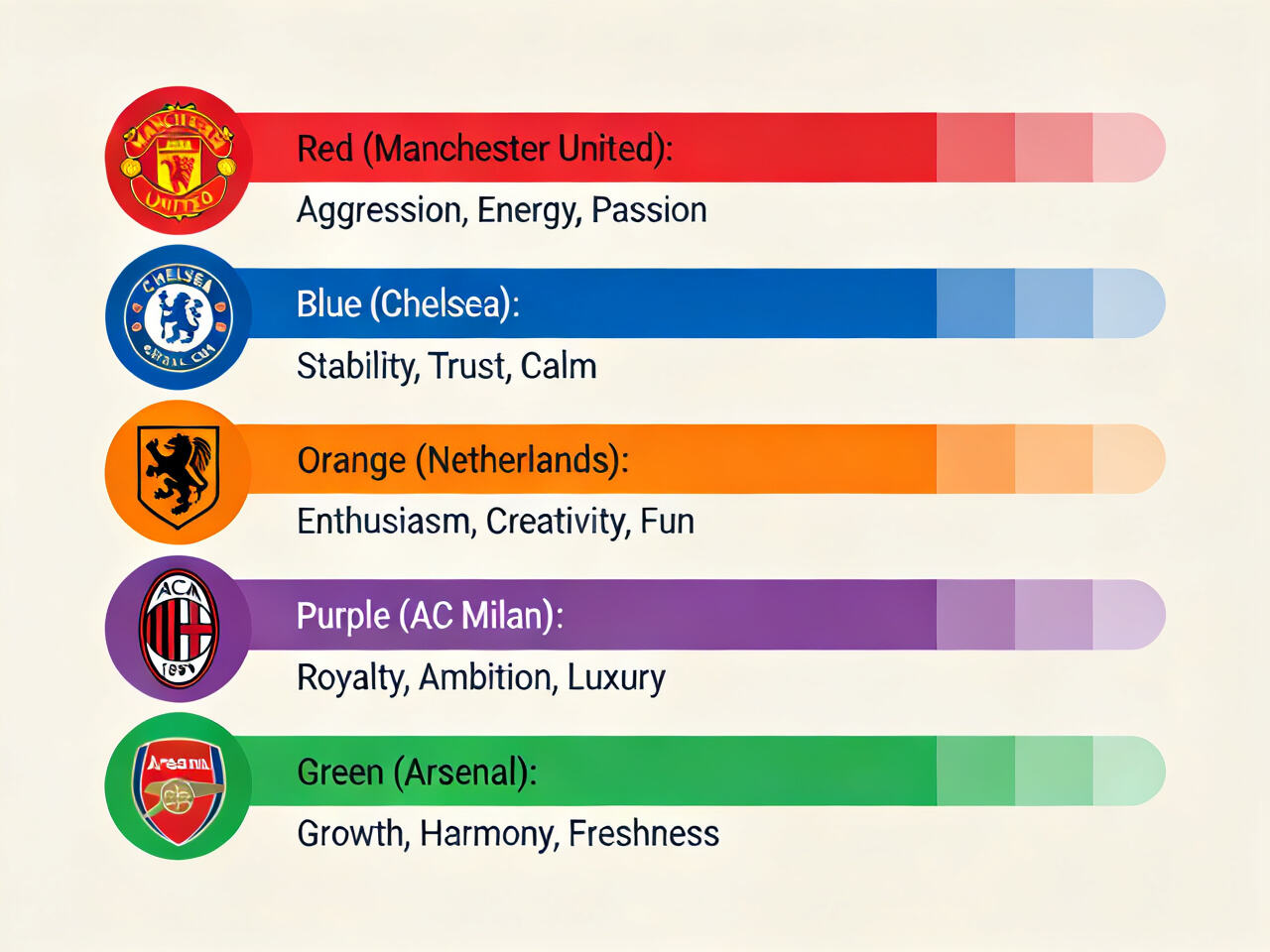
The Crimson Tide of Alabama: More than just red, Alabama’s specific crimson evokes a sense of rich tradition, passion, and a legacy of excellence. Paired with clean, stark white, it creates a look that is both powerful and classic—untouchable and elite.
Michigan’s Maize and Blue: This unique combination is instantly recognizable. The vibrant, sunny maize stands for innovation and energy, while the deep blue provides a foundation of integrity and strength. Together, they symbolize a balanced yet dynamic institution.
Clemson’s Orange and Purple: One of the most distinctive palettes in sports. The bold Regalia orange is pure energy and excitement, while the Northwest purple adds a layer of dignity and ambition. It shouts fun and pride in equal measure, mirroring the team’s modern, vibrant culture.

Your team’s colors are your canvas. Here’s how to rep them with purpose:
Game Day Traditionalist: Go head-to-toe in your team’s primary color for maximum visual impact in the stands. A classic jersey is the cornerstone.
Casual Flex: Incorporate your colors subtly into everyday wear—a hat, a pair of socks, or a t-shirt with a vintage-inspired logo. It’s about shared recognition with other fans.
Statement Piece: Let a well-designed, high-quality jersey or jacket be the focal point of your outfit, paired with neutral tones.
The key is authenticity. Wear what makes you feel connected to the team and the community.
The colors you wear on game day are a link in a chain that stretches back decades. They carry the weight of historic wins, the pain of tough losses, and the unbreakable bond of a shared community. Understanding their story deepens every cheer.
Ready to wear your story? Explore our collection of fan gear and find the perfect jersey to represent your team’s unique legacy in “shop by Teams”.
Feel the tradition of Alabama Crimson
Embrace the energy of Clemson Orange
Rep the legacy of Michigan Maize & Blue
What do your team’s colors mean to you? Share your story with us on social media using #MyTeamColors.
Comment